
Hello, I’m Dominique.
-
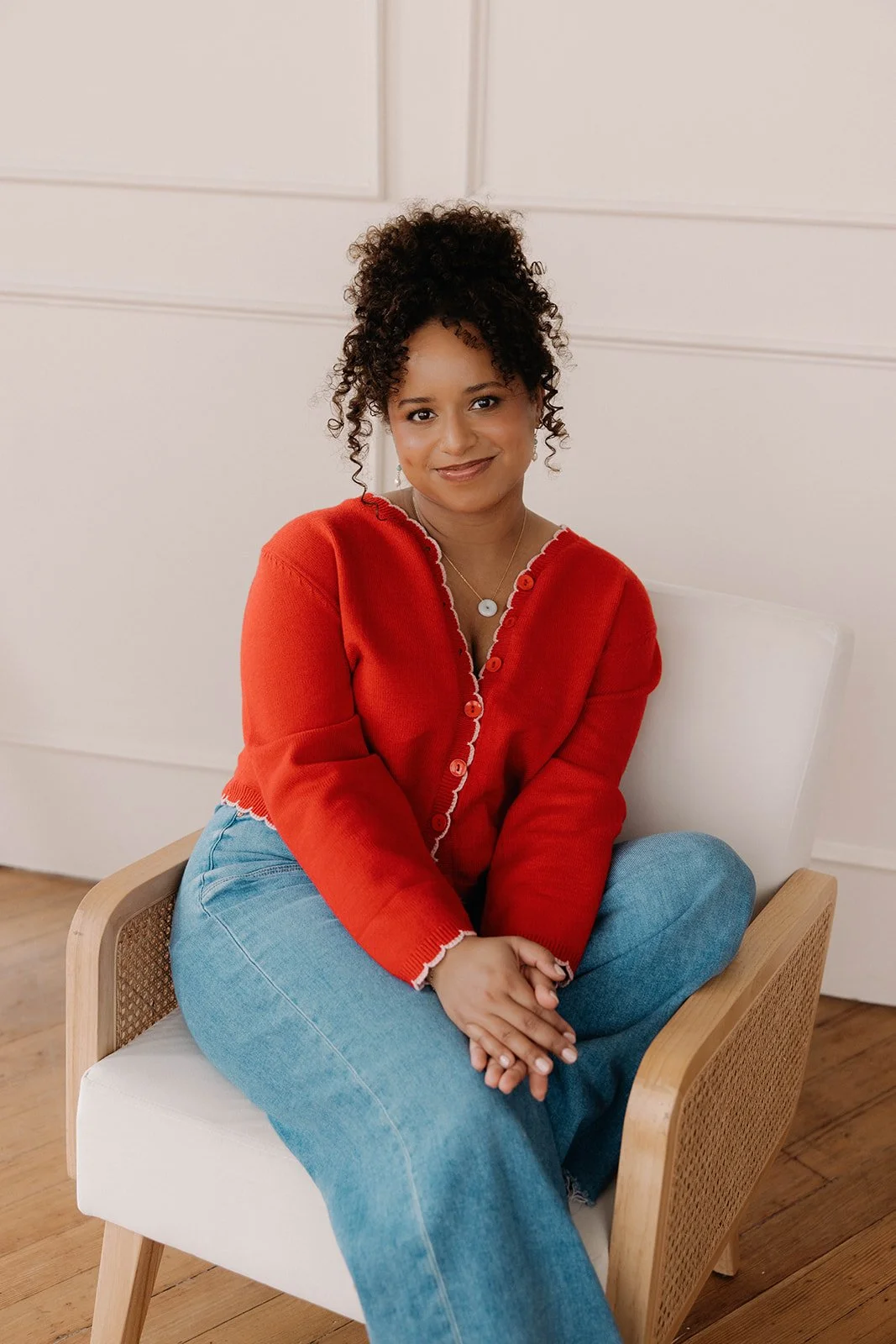
Before I became a doula I spent a lot of time reading statistics and stories of Black women succumbing to systemic bias or lack of care in our healthcare system. I felt scared and frustrated as I worked everyday doing nothing to make an impact in this area, to change this narrative that played in the back of my mind constantly.
I sought out doula training so I could spend my time learning how to best care for birthing people before and after delivery to set them up with the tools they need to balance and sustain being human with a newborn baby, and learning about the process of dying and grieving…two things that are often considered taboo topics in our culture, and tend to hit us in the face with no roadmap of how to handle them, emotionally or logistically.
My approach is non-judgmental, curious and resourceful, adapting to the needs of my clients to ensure they feel respected, informed and empowered to make decisions that are best for them and their family.
I am committed to continuing education and evidence-based practice to provide well-rounded, quality care.
In my leisure I enjoy travel, concerts, improv and theater productions, painting, watching movies, and good meals with family and friends.
I can’t wait to meet you!
My qualifications
WA State Certified Birth Doula
American Heart Association/CPR Certified
PAIL Advocate/Pregnancy and Infant Loss Institute Certified
Death Doula and End of Life Planner/Going with Grace Certified